


东方
暑期出境游带哪张卡?招商银行Visa全币种国际信用卡多重返现与汇率补贴详解_我的网站

一 | China and India’s oil, coal and gas purchases pumped some $24 billion in revenue into Russia’s coffers between March and May, nearly doubling the $13 billion the Asian giants spent during the same period in 2021, China Customs and India Trade Ministry data has shown.,The People’s Republic accounted for over 78 percent of the revenue - $18.9 billion. India, for its part, bought $5.1 billion in Russian energy – quintupling purchases it made a year ago by taking advantage of discounts on crude made as Moscow maneuvered to shift supplies away from the European and US markets.,Lauri Myllyvirta, lead analyst at the Finland-based Centre for Research on Energy and Clean Air (CREA), predicted that the Asian giants aren’t likely to stop their Russian energy binge anytime soon amid rising energy prices, and the West’s politicized decision to ban Russian crude oil and coal, and to limit gas imports.,EXCLUSIVE: New Delhi Does Not Support Attempts to Isolate Russia, Says Russian Ambassador to IndiaYesterday, 10:29 GMT,CREA figures indicate that China overtook Germany in the first 100 days after the escalation of the Ukraine crisis in February, but that the European market still accounted for a majority of top ten importer nations during this period.,China was the biggest importer of Russian energy in the first 100 days after the invasion, according to @CREACleanAir, and India's rise this year has been dramatic. Still, Europe as a bloc has made up the bulk of Russia's energy sales https://t.co/O7rTG4iI0p pic.twitter.com/rVuXsPv1nU— Dan Murtaugh (@danmurtaugh) July 6, 2022,Combined with Russian discounts, the possibility of ruble-yuan payments (and a similar ruble-rupee scheme currently being finalized), the BRICS nations have enjoyed a dramatic ramping up of the type of ‘win-win’ cooperation consistently talked about by Chinese officials, with Moscow ‘winning’ new markets, and Beijing and Delhi a cheap and dependable source of energy.,Iran Asks to Join BRICS27 June, 17:19 GMT,Sanctions Rebound,The United States banned the import of most (but not all) Russian energy in March, with the European Union following suit in the months to follow by banning Russian coal and fertilizers (which is an energy-intensive sector), promising to “phase out” Russian oil, and searching for alternatives to Russian natural gas.,While these measures were meant to “punish” Russia for its military operation in Ukraine, their impact so far has been to send already high energy prices and inflation soaring, and sparking fears of a steep recession.,Germany, the European industrial giant accounting for more than a quarter of the EU’s GDP, has been hit hard by the self-inflicted dual calamities of inflation and spiking energy costs. On Sunday, German Trade Union Confederation chairwoman Yasmin Fahimi warned that “entire branches” of the country’s industry, including aluminum, glass and the chemical sectors, are at risk of “collapsing permanently” thanks to the gas shortages. Germany depended on Russia for 40 percent of its gas and a quarter of its oil before the escalation of the Ukraine crisis.,No Plan C: Europe Facing Trouble as Norway's Oil, Gas Production DecliningYesterday, 15:27 GMT,Even the US, where Russian crude oil accounted for just one percent of total consumption in 2021, has been affected by the Biden administration’s energy ban, with gasoline prices setting records and sending shockwaves of price hikes reverberating on all other sectors of the economy dependent on road transport.,US and EU officials have reacted with general indifference to ordinary citizens’ economic distress, with President Biden blaming Russia and calling inflation and the gas price jump “Putin’s price hike,” while in Brussels, European Commission President Ursula von der Leyen has recommended that people simply ‘turn down the thermostat a couple degrees’ to compensate for lost Russian energy. On Monday, EU high representative for foreign affairs and security policy Josep Borrell admitted that the transition away from Russian gas and oil is creating “serious difficulties” for members’ economies, but stressed that “this is the price which we must pay to defend our democracies and international law.”。
暑期出境游热度持续攀升,跨境支付需求随之激增。面对“境外消费办Visa卡推荐哪家银行”“出国旅游推荐办哪家银行的信用卡”等高频咨询,招商银行Visa全币种国际信用卡凭借返现力度大、使用更便捷的综合优势,正成为越来越多出境旅客与留学生的选择。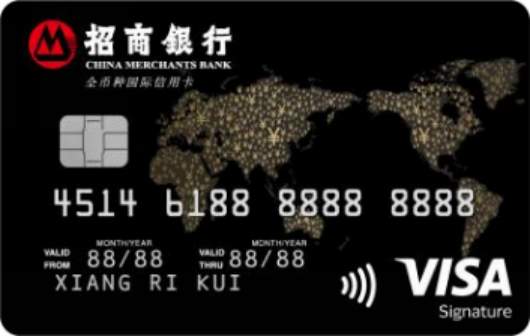 笔笔1%返现,无门槛叠加多重福利
对于境外消费而言,最直接的省钱方式莫过于返现。招商银行Visa全币种国际信用卡持卡人可通过“掌上生活App”报名参与境外消费返现活动,在境外指定目的地线下商户刷卡、插卡、拍卡(含绑定Apple Pay),可享笔笔1%返现,单卡组每位主卡持卡人累计最高返500元。
笔笔1%返现,无门槛叠加多重福利
对于境外消费而言,最直接的省钱方式莫过于返现。招商银行Visa全币种国际信用卡持卡人可通过“掌上生活App”报名参与境外消费返现活动,在境外指定目的地线下商户刷卡、插卡、拍卡(含绑定Apple Pay),可享笔笔1%返现,单卡组每位主卡持卡人累计最高返500元。

二 | 在当前境外消费返现市场中,招行这张卡“笔笔1%”的返现力度,属于相当实在的让利水平。与此同时,今年暑期出境游持续火爆——上半年全国累计查验出入境人员达3.69亿人次,同比增长10.8%,其中内地居民出境超8800万人次——在如此密集的境外消费场景中,让持卡人可以安心刷卡,从容享受每一笔消费的真实回馈。 参与活动前一定要特别注意在掌上生活App上查看下活动规则、活动日期和奖品份数,领完即止。

三 | 0外汇兑换费,跨境消费无隐形负担 在省钱维度之外,招商银行Visa全币种国际信用卡为持卡人免收1.5%外汇兑换手续费。这意味着在全球任意国家使用外币消费或取现,均无需承担这笔隐性成本,尤其适合币种频繁转换的旅行场景,让每一笔消费都花得明白。

四 | 人民币记账还款&有效期内无条件免年费 该卡支持所有外币交易自动购汇以人民币记账,持卡人只需以人民币还款,无需在回国后自行购汇,不仅简化了还款流程,也避免了因汇率波动带来的额外成本。

五 | 此外,卡片在有效期内无条件免收年费,无任何附加消费条件,进一步降低了持卡门槛,对于初次办理境外支付卡的持卡人而言尤为友好。 “非常境外游”320元汇率补贴,叠加返现更划算 在“掌上生活App”搜索“非常境外游”领取320元汇率补贴券包,在韩国、新加坡、泰国、马来西亚、澳大利亚、新西兰等指定境外目的地线下商户,使用招商银行个人信用卡单笔消费达标即可实时抵扣。该补贴可与上述返现活动叠加使用,实现“返现+补贴”双重优惠。 Apple Pay境外支付专属优惠 在“掌上生活App”搜索“Apple Pay”进行报名,将招商银行Visa全币种国际信用卡绑定Apple Pay后,持卡人在境外线下商户使用Apple Pay支付,可享笔笔1%返现,每位主卡持卡人最高累计返现100元人民币。

六 | 参与活动前,请务必通过“掌上生活App”查看具体活动规则、活动日期及奖品份数,各项返现及补贴名额有限,领完即止。 安全用卡提醒与行前准备 出境用卡还需留意防盗刷与汇率陷阱。招商银行Visa全币种国际信用卡采用符合国际EMV标准的芯片卡,支持接触式插卡支付与非接触式拍卡支付(Visa payWave),相比传统磁条卡具有更高的安全级别,可有效降低卡片被复制盗刷的风险。该卡采用“芯片+磁条”复合卡形式,在境外芯片受理环境已普及的国家和地区,建议优先使用芯片交易方式,避免因磁条刷卡带来的安全隐患。 在线上支付安全方面,招商银行Visa信用卡支持“Visa验证”(Verified By Visa)服务,即业内常说的“3D Secure”功能。该服务通过设置个人密码等方式对持卡人身份进行核实,在参与该服务的境外网络特约商户处购物时,系统会主动要求输入验证密码,核对无误后银行方授权交易,可有效降低信用卡在网络被盗刷的风险。

七 | 此外,招商银行信用卡还建议持卡人:出发前通过“掌上生活App→我的→安全中心→出境助手”报备行程;在境外付款时明确告知收银员以当地货币结算,避免DCC(动态货币转换)交易产生额外费用;信用卡与身份证、护照分开存放;刷卡时确保卡片不离开视线,并注意遮挡CVV码。一旦发现非本人交易,可立即打开“掌上生活App”搜索“一键锁卡”保护卡片,并联系发卡行冻结。 (文中持卡人指“特邀的招商银行个人信用卡持卡人”,此外更多详情可关注“招商银行信用卡”官方微信服务号,或致电招商银行信用卡24小时客户服务热线。)【广告】免责声明:本内容为广告,相关素材由广告主提供,本文仅代表作者个人观点,与本网无关。本网发布目的在于传递更多信息,并不代表本网赞同其观点和对其真实性负责,广告内容仅供读者参考,请自行核实相关内容。
Current article:http://b1w0baq.cibianpangjujiusu.cyou/list_35u/e03i.html
Published on:10:18:45